The Last Train to Nowhere: Cold Cases, Ghost Stories, and the Passengers Who Vanished Along Omaha's Iron Roads
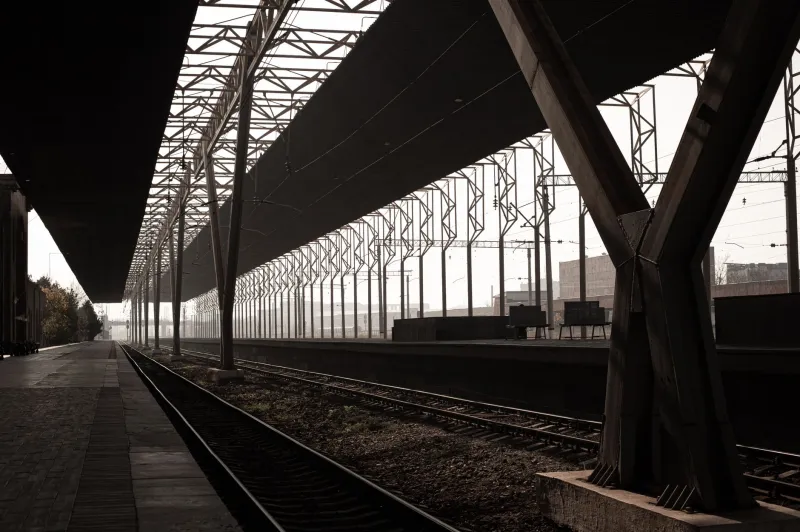
Omaha exists because of the railroad. That's not hyperbole — it's geography. When the Union Pacific broke ground here in 1863, it wasn't just building a line, it was building us. The city that grew up around those tracks became one of the great rail hubs of the American interior, a place where the continent's commerce funneled through on its way from somewhere to somewhere else.
Millions of people passed through Omaha's depots. Millions of stories, millions of arrivals and departures, millions of names written in ledgers that mostly don't exist anymore.
And then there are the names that disappeared before they could be written anywhere at all.
Union Station: The Grand Facade and the Rumors Behind It
If you've been to the Durham Museum — and if you haven't, what exactly are you doing with your Omaha weekends — you've walked through what remains of Union Station, the magnificent Art Deco cathedral that opened in 1931 and processed something like ten million passengers a year at its peak. It is a genuinely beautiful building, and the Durham has done right by it.
But here's the thing about beautiful buildings with complicated histories: they accumulate stories the way old houses accumulate drafts. You can renovate the lobby and polish the terrazzo floors, but the stories stay in the walls.
Railroad historian and retired UP archivist Carol Metzger has spent the better part of thirty years collecting accounts from former depot employees — porters, ticketing agents, baggage handlers — whose oral histories were never formally recorded. What she found in those conversations isn't the kind of thing that makes it into the official commemorative volumes.
"There was a consistent understanding among long-term employees that certain things got handled quietly," she told me over coffee, choosing her words with the careful precision of someone who's thought about this for a long time. "Incidents on the platforms. Passengers who caused disturbances and then weren't there anymore. The culture was very much: the railroad handles its own problems, and the railroad does not enjoy publicity."
The railroad does not enjoy publicity. File that one away.
Three Cases That Deserve More Than a Footnote
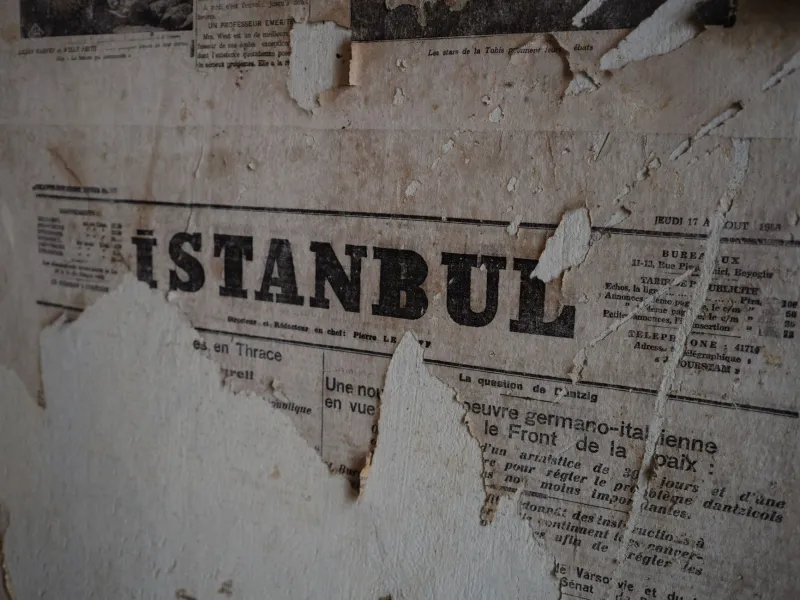
Pulling archival newspaper records from the Omaha World-Herald's digitized morgue is, I will confess, one of my favorite ways to spend a Tuesday night. What you find in the small items — the three-paragraph notices buried on page twelve — tells you more about a city's actual history than the front-page stories ever will.
Here are three that caught my attention.
The Case of the Traveling Salesman, 1911. A brief notice from November of that year records that a dry goods representative named Harold Cushing boarded a westbound train at the Omaha depot and was reported missing by his employer ten days later when he failed to arrive in Denver. The UP confirmed he had purchased a ticket. A conductor recalled seeing a man matching his description in the smoking car. After that: nothing. No body recovered, no further investigation noted in any record I could locate. The notice runs four sentences and is followed by an advertisement for a furniture liquidation.
The Depot Platform Incident, 1934. This one is trickier, because the original reporting is fragmentary and clearly edited — sentences that trail off, a follow-up article that was apparently never written. What survives suggests that a woman traveling alone on a Chicago-bound train was observed arguing with a man on the platform, after which she was seen boarding but never recorded as having arrived. The man was described but not named. The case, if it was ever formally a case, left no official trail that I've been able to find.
The Freight Crew Disappearance, 1947. The most documented of the three, and still barely documented at all. Two members of a freight crew operating out of Omaha failed to report for their return shift. One was found three days later in Council Bluffs with no memory of the intervening period and, according to the account of a fellow worker, "a look on him that he never quite lost." The other was never found. The railroad's official position, insofar as it had one, was that he had quit without notice.
People don't quit freight crews without notice in 1947. They just don't.
The Folklore Layer
Every long-running institution generates its own mythology, and the railroad is no exception. Among the stories that circulated among Omaha depot workers for decades, a few keep recurring in the accounts Metzger collected.
The most persistent involves a figure workers called the "Platform Man" — described as someone who appeared regularly at the Union Station platforms in the late hours, always watching departures, never boarding. Multiple employees across different decades claim to have seen him. Nobody ever got a good look. Nobody ever saw him arrive or leave. He was simply there, and then not there, and then there again on some other late night.
Is this a ghost story? Probably. Is it the kind of ghost story that contains, at its core, a real unexplained human presence that nobody ever properly investigated? That's the part that interests me.
"Folklore doesn't come from nowhere," Metzger points out. "When workers across twenty years describe the same figure in the same location with the same behavior, something generated that story. The question is what."
What the Tracks Still Know
Omaha's railroad infrastructure is, in places, still very much present — the rail yards, the historic right-of-ways, the surviving depot architecture. These aren't just industrial remnants; they're the physical memory of a system that moved millions of human lives through this specific point on the map.
Most of those lives passed through without incident, recorded or otherwise. But some didn't. And the ones that didn't — the ones that generated four-sentence newspaper notices and employee rumors and fragmented follow-up articles that were never written — those deserve more than the silence they've been given.
The railroad kept its own counsel for a long time. It doesn't run the show anymore.
If you have family records, oral histories, or personal accounts connected to Omaha's depot history — especially anything touching on incidents that seemed to get quietly resolved — the Mystery Man of Omaha has a very large cup of coffee, a very open Tuesday night, and absolutely no intention of letting this one go.