Brick, Mortar, and Mum's the Word: Omaha's Hidden Refuge Houses and the Secrets Still Sealed Inside Their Walls
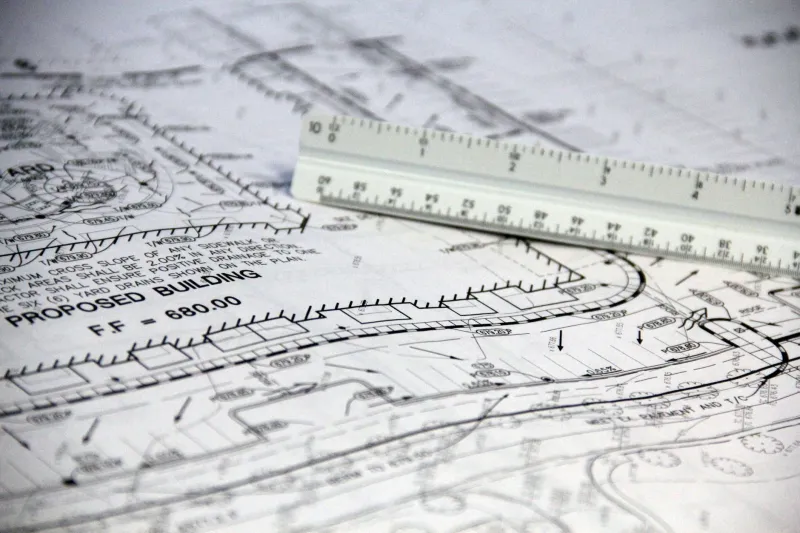
Omaha has a long and distinguished history of pretending things aren't happening. Illegal gambling? Just a card game among friends. Bootleg liquor? Medicinal, obviously. And those perfectly ordinary Victorian homes with the suspiciously reinforced basements, the rooms that don't appear on any floor plan, and the back stairways that lead to absolutely nowhere useful? Home improvement projects. Very enthusiastic ones.
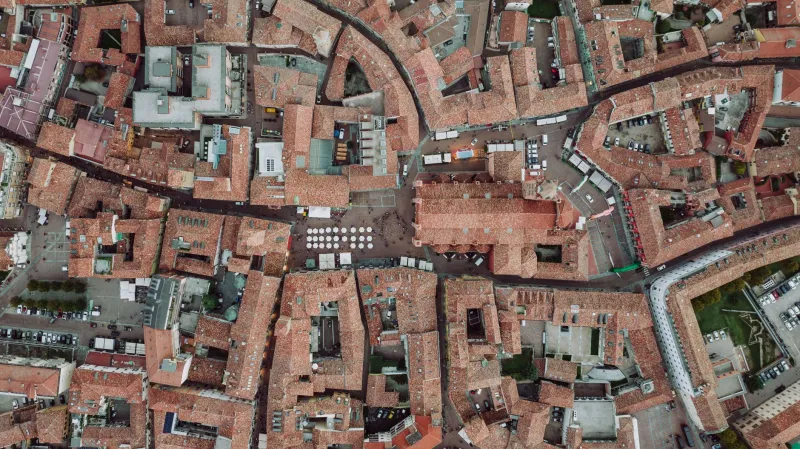
For years, local historians and amateur sleuths — your humble Mystery Man included — have been circling a peculiar cluster of residential properties scattered across neighborhoods like Dundee, Gold Coast, and the near-north side. These aren't abandoned warehouses or crumbling commercial blocks. They're houses. Nice ones, mostly. The kind with original woodwork and wraparound porches and neighbors who will tell you, pleasantly but firmly, that they don't know anything about any of that.
Which, of course, is exactly what someone protecting a secret would say.
What the Walls Are Hiding
Let's start with the architecture, because buildings are, blessedly, worse liars than people.
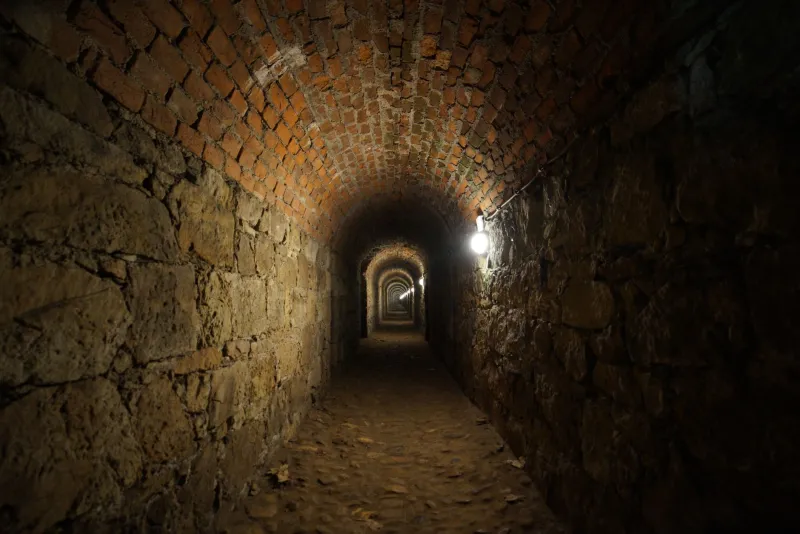
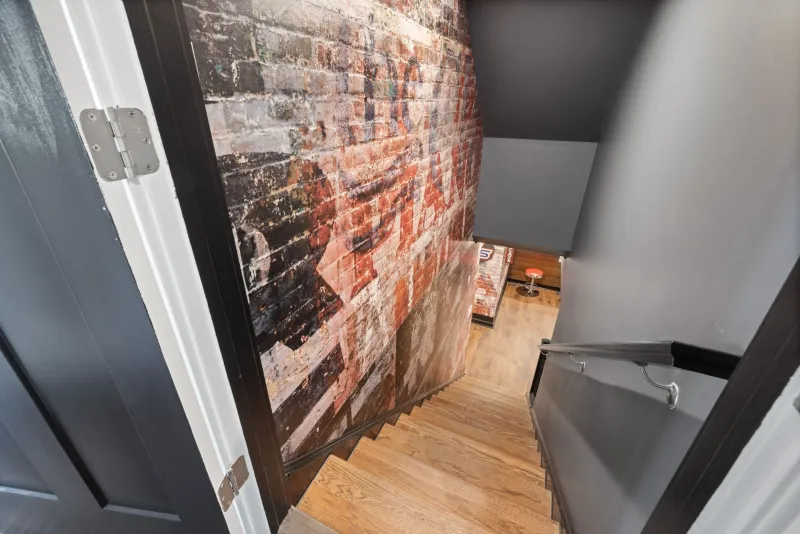
Several homes built between roughly 1890 and 1930 in Omaha's older residential corridors share a set of features that don't make a whole lot of sense for standard domestic living. Unusually thick interior walls — in some cases nearly double the standard framing — that suggest either a very anxious builder or a deliberate attempt at soundproofing. Basement-level rooms accessible only through concealed panel doors, sometimes disguised as built-in cabinetry or wainscoting. And in at least two documented cases, secondary staircases connecting the basement directly to upper-floor bedrooms, bypassing the main living areas entirely.
Now, some of this can be chalked up to the eccentricities of Victorian construction. Wealthy homeowners of that era liked their servants invisible and their guests comfortable, and the resulting floor plans could get genuinely labyrinthine. But there's a difference between a servant's stair and a passage specifically designed to move a person from the street-facing back entrance to a hidden interior room without being visible from any window. That's not a design quirk. That's a design intention.
Property records — available through the Douglas County Assessor's office, for those of you with a free afternoon and a high tolerance for microfiche — show several of these homes changing hands in curious patterns during the 1920s. Multiple sales within short windows. Transfers to holding companies with names that dissolve back into nothing after a few years. The occasional gap in the record that suggests a period of ownership nobody particularly wanted documented.
The Families Who Know Something
Here's where it gets interesting, and also where the trail gets deliberately muddy.
Descendants of a few original owners — people whose grandparents or great-grandparents held these properties during Prohibition and the Depression years — have, over the decades, let slip some genuinely tantalizing details. One family, whose patriarch ran a respectable import business on Farnam Street, apparently had a standing household rule: you do not go into the back basement room, you do not ask about the back basement room, and if someone knocks on the side door after ten o'clock at night, you go to bed and you stay there.
Another descendant, speaking to a local historical society in the late 1980s before apparently thinking better of it and declining all further interviews, mentioned that her grandmother had referred to their home's hidden lower room as "the waiting room." Not a cellar. Not a storage space. The waiting room. For whom, exactly, she either didn't know or wasn't saying.
The possibilities aren't difficult to imagine. Omaha's Prohibition-era underground was well-organized and well-connected, with bootlegging networks that required regular movement of people as well as product. A safe house — a private residence where someone could lie low for a night or a week, sheltered from law enforcement or rival operators — would have been a practical necessity. And a Victorian mansion with a discreet owner, a reinforced basement, and a back entrance that didn't face the street would have been practically purpose-built for the role.
But the utility of a safe house doesn't end with Prohibition, and that's the part of this story that gets genuinely complicated.
Beyond Bootleggers: The Longer Shadow
Some researchers who've dug into this territory — and a few have, quietly — believe that at least some of these properties served purposes well beyond sheltering rum-runners. Omaha's geographic position made it a natural waypoint. Sitting at the intersection of major rail lines and road routes connecting the coasts, the city was a logical stopover for people who needed to move without drawing attention: labor organizers fleeing hostile employers, individuals running from domestic violence or worse, and possibly — this is where the documentation gets genuinely thin — people connected to political activities that the authorities of the day found inconvenient.
There's also a more recent wrinkle. At least one of these properties was the subject of a quiet inquiry by local law enforcement sometime in the 1970s, according to a reference buried in a city council meeting transcript that a very dedicated researcher once shared with this site. The nature of the inquiry isn't specified. The property's address is redacted. And the outcome is described only as "resolved to the satisfaction of all parties," which is the bureaucratic equivalent of a wink and a closed door.
Who's Still Keeping the Secret?
The honest answer is: probably nobody is actively maintaining a conspiracy here. The original actors are long gone, the networks they operated have dissolved, and whatever urgency once surrounded these hidden rooms has faded with the people who understood it.
But secrets have a way of becoming structural. They get built into the walls, literally, and then they pass from owner to owner as a kind of inherited mystery — something the current residents know is there, may have even explored, but don't fully understand and aren't sure how to explain to a stranger who shows up asking questions.
Which brings us to the practical challenge facing anyone who wants to pursue this further. You can pull property records. You can cross-reference ownership histories with known figures from Omaha's Prohibition-era underground. You can walk the streets of Dundee on a quiet evening and look at the houses with the unusually narrow side windows and the basement-level ventilation that doesn't quite match the published square footage, and you can think about what those features were built to do.
But to actually get inside — to see whether the hidden room is still there, whether the concealed staircase still connects, whether the "waiting room" still exists behind whatever renovations the past century has layered over it — you need someone to open the door.
And in this city, getting someone to open the door is always the hardest part.