Sealed, Forgotten, and Absolutely Fascinating: What's Still Lurking in the Basements of Omaha's Dead Movie Palaces
Let me paint you a picture. It's sometime in the mid-1970s. The last showing of whatever forgettable double feature played at one of Omaha's great old movie houses has just flickered off the screen. The projector cools. The popcorn goes stale. The manager locks the front door, fully expecting to open it again on Monday. Except Monday never comes. And neither does anyone with a key.
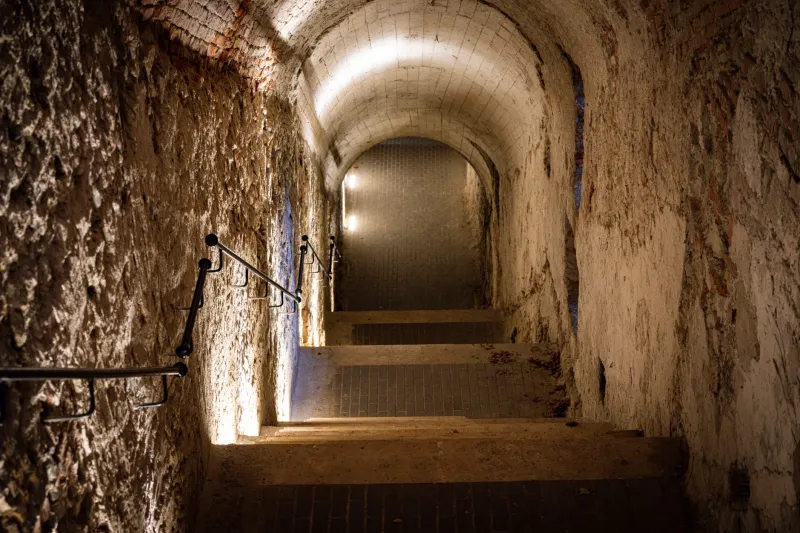
Decades later, that basement? Still there. Still locked. Still absolutely stuffed with whatever nobody thought to carry out.
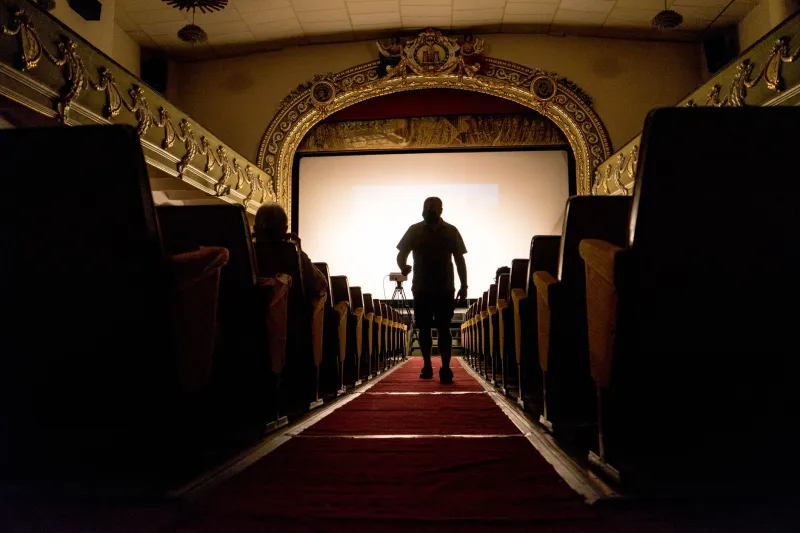
Omaha built its movie palaces the way it built everything else in its golden commercial era — with ambition, ornate plasterwork, and a complete failure to plan for what happens when the party ends. And when those theaters died, they didn't exactly hold estate sales. They just... stopped. Leaving behind an archaeological layer that urban explorers, local historians, and one very nosy Mystery Man have been trying to crack open ever since.
The Palaces That Went Dark
At its peak, Omaha's theater district was genuinely something. The Paramount. The Orpheum (which, miraculously, survived). The Riviera. The World. The State. These weren't just movie houses — they were destinations, built with the kind of architectural swagger that said, we take entertainment seriously around here, and also, look at this ceiling.
Most of them are gone now, or gutted so thoroughly that their bones barely remember what they were. But here's the thing about old commercial buildings in the Midwest: their basements are basically immortal. You can tear down the marquee, gut the auditorium, convert the lobby into a parking structure — but that sub-grade storage level, the boiler room, the film vault? Those stick around. Walled off. Forgotten. Occasionally rediscovered by a confused contractor who definitely did not sign up for this.
"You'd be surprised how often demolition crews or renovation teams call us in a mild panic," says one Omaha-area architectural historian who asked to remain unnamed because, apparently, getting excited about old basements is still professionally embarrassing in some circles. "They break through a wall and find a room that looks like 1958 just took a nap in there. Equipment. Signage. Film canisters. Once, an entire concession display that still had fake candy in it."
Fake candy from 1958. Truly, Omaha contains multitudes.
What's Actually Down There
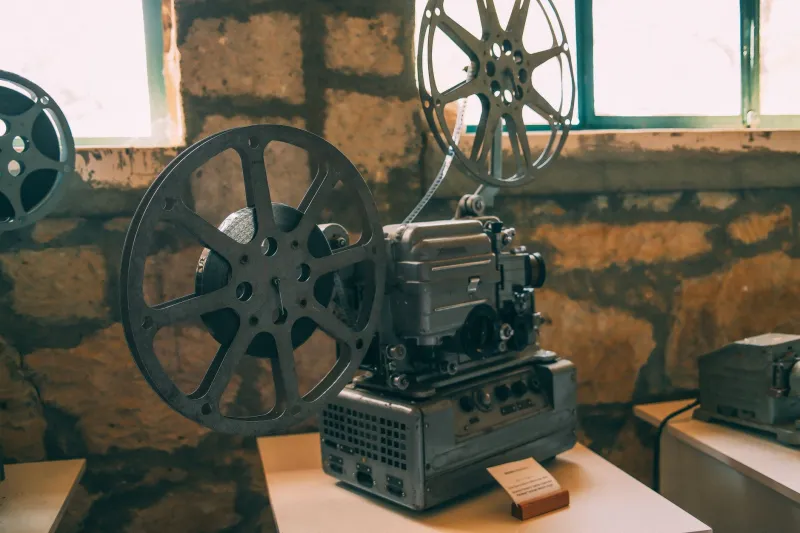
The inventory of what these sealed rooms might contain reads like a particularly niche episode of Antiques Roadshow. Film reels are the obvious big-ticket item — original prints of movies that may or may not exist in any other archive, sitting in deteriorating canisters in conditions that conservation experts describe using words like "heartbreaking" and "please don't touch that."
But it goes deeper than reels. Theater basements were working storage facilities. That means projection equipment, spare parts, electrical components, promotional materials, lobby cards (the illustrated posters displayed in glass cases outside theaters), press kits, employee records, and in at least one documented Omaha case, a collection of lost-and-found items spanning roughly fifteen years that nobody ever claimed.
Somebody's 1962 umbrella is still down there, friends. It is waiting for you.
Local film archivist and self-described "recovering projectionist" Dennis Harwick — who has spent the better part of two decades cataloguing what remains of Omaha's cinema heritage — puts it plainly: "The film vaults are what keep me up at night. These were purpose-built fireproof rooms, because nitrate film was genuinely explosive. Which means they were also accidentally perfect preservation environments. Temperature-stable. Dark. Sealed. Whatever went in there and didn't burn went in there forever."
The irony is rich. The vaults built to prevent catastrophic fires ended up being the most effective accidental archives in the city.
The Race Nobody Announced
Here's where things get urgent, because this isn't just a charming story about old stuff in the dark. It's a ticking clock.
Omaha's development pace has accelerated considerably over the past decade. Properties that sat dormant for thirty years are suddenly attractive again, and "attractive" in real estate terms often means "gut it and start fresh." When a building gets fully demolished — not renovated, not repurposed, demolished — whatever's in the basement goes with it. Into a dumpster. Into a landfill. Into nothing.
Preservation groups like the Landmarks Heritage Preservation Commission have been fighting this fight for years, but their resources are limited and their jurisdiction even more so. They can flag a building as historically significant. They cannot necessarily stop someone from scooping out the basement before anyone gets a proper look.
"We got lucky with a few of them," says one commission volunteer who's been involved in several emergency documentation efforts. "We got a call, we got in fast, we photographed everything, and we salvaged what we could. But for every one of those, there's probably three where we didn't get the call in time."
The explorers are doing their part too — the urban archaeology crowd, the history nerds with flashlights and cameras, the people who get genuinely emotional about a water-damaged lobby card. They've been quietly documenting these spaces for years, uploading photos to forums and community archives that most people have never heard of. It's not exactly a coordinated effort, but it's something.
The Mystery Man Verdict
Here's what I keep coming back to: Omaha's movie palaces were built to make people feel something. Wonder, escapism, the particular magic of sitting in the dark with strangers and watching light flicker into stories. That purpose is gone. The buildings are mostly gone. But in those sealed basements, in those accidental time capsules, something of that original intention persists.
A lobby card for a film that played one week in 1947 to a full house of people who are all gone now. A projection log with handwritten notes in the margins. A lost-and-found umbrella from a rainy Tuesday sixty years ago.
Someone carried that umbrella to a movie. They sat in the dark. They felt something.
And then they forgot it on the way out, and it's been waiting in a sealed basement ever since, which is honestly the most Omaha ending to any story I've ever heard.
If you know of a theater basement that hasn't been documented, or if you've been inside one and have photos to share, the Mystery Man of Omaha is, as always, extremely available and not even a little bit embarrassed to ask.