Gone and Forgotten: The Omaha Disappearances That Nobody Could Explain — and the Detectives Who Still Can't Let Them Go
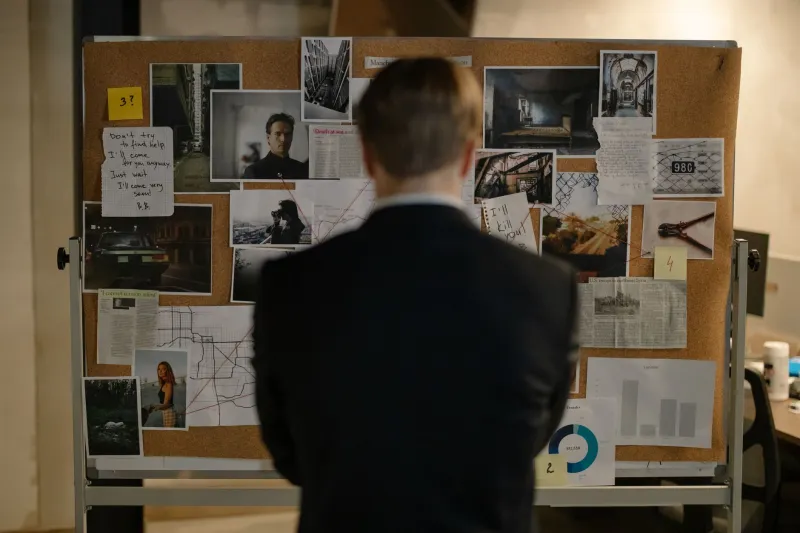
There's a particular kind of dread reserved for the moment you realize someone isn't just late — they're gone. Not "running errands" gone. Not "forgot to text" gone. Gone gone. The kind of gone that lands a manila folder on a detective's desk and never quite leaves it.
Omaha, Nebraska doesn't typically make the national news cycle when it comes to missing persons. It's not that the city lacks drama — anyone who's spent five minutes poking around its history knows better. It's that Omaha has a quiet, almost stubborn way of keeping its secrets. The Missouri River doesn't talk. The old neighborhoods don't volunteer information. And the cold case files? They just keep stacking up.
We dug into some of the most perplexing disappearances this city has ever produced — cases where people stepped out of the frame and never stepped back in. We talked to investigators who still lose sleep over them, family members who still set a place at the table out of habit, and the amateur sleuths who haunt online forums with new theories every few months. What follows is not comfortable reading. But comfortable reading doesn't solve anything.
When the Trail Goes Cold Before It Even Starts
Cold case investigators will tell you — if you can get them to talk, which is its own adventure — that the most frustrating disappearances aren't the ones with too few clues. They're the ones with just enough clues to keep you chasing shadows for decades.
Omaha has produced its share of both.
In cases where adults vanish without obvious signs of foul play, law enforcement faces an immediate bureaucratic wall. Adults are, legally speaking, allowed to disappear. They can walk away from jobs, families, and debts without filing a single form. That legal reality means that in the critical early hours of a disappearance, investigators are sometimes hamstrung — unable to treat a case with the urgency it may deserve until enough time passes to confirm something is genuinely wrong.
By then, the trail has gone cold. Surveillance footage gets overwritten. Witnesses forget. Weather erases physical evidence. And Omaha — with its sprawling geography, its proximity to major interstates, and its position as a regional hub — offers a lot of directions for someone, or something, to disappear into.
The Ones the Internet Never Forgot
Ask anyone who runs a true crime forum dedicated to Nebraska cases, and they'll rattle off a short list of names that come up again and again. These are the cases that generate new threads even years after the initial disappearance, where armchair investigators piece together timelines from old newspaper archives, public records requests, and whatever fragments of social media exist.
What's striking, when you look at the pattern, is how ordinary the circumstances often appear at first glance. Someone doesn't show up for work. A car is found parked somewhere unusual. A phone goes straight to voicemail and stays there. The mundane details make the mystery worse, somehow. There's no dramatic last scene. Just an absence that expands to fill every room it touches.
Family members describe the experience in eerily similar terms regardless of which case you're discussing. The not-knowing is its own kind of grief — one that doesn't come with a funeral, a closure date, or any of the social rituals that help people process loss. You're just suspended, indefinitely, in a state of waiting.
What Cold Case Units Actually Do (And What They Wish They Could)
Here's something the TV procedurals don't fully capture: cold case units are almost always understaffed, underfunded, and operating on the margins of departmental priorities. Fresh cases demand immediate resources. Cold cases, by definition, have already lost the race for urgency.
Investigators who work these files — and the ones willing to speak candidly are a rare and passionate breed — describe the work as equal parts forensic science and historical research. You're essentially becoming an archaeologist of someone's last known days. You're reading old interview transcripts, looking for the question nobody thought to ask. You're resubmitting old evidence to new DNA databases that didn't exist when the case was opened. You're hoping that somewhere in the digital exhaust of the modern world, a record survived that might mean something now.
The National Missing and Unidentified Persons System, better known as NamUs, has been a genuine game-changer for families and investigators alike. It cross-references missing persons reports with unidentified remains across the country — because sometimes a disappearance in Omaha resolves itself, quietly and tragically, in a county two states away. The database has facilitated identifications that would have been impossible a generation ago. But it only works if cases get entered, and not every jurisdiction is equally diligent about that.
Amateur investigators — the kind who run spreadsheets and coordinate via Discord servers at odd hours — have actually flagged potential matches that law enforcement later confirmed. It's uncomfortable for some departments to acknowledge, but the crowdsourced attention that true crime communities bring to cold cases has, on measurable occasions, moved the needle.
The Geography of Disappearance
Omaha's physical layout is worth considering if you're trying to understand why some of these cases are so difficult to crack. The city sits at a crossroads — literally. Interstate 80 and Interstate 29 intersect nearby, making it trivially easy to move through the region without leaving much of a local footprint. The Missouri River has historically been uncooperative with evidence preservation. And the city's rapid suburban expansion over the past few decades has buried older geography under new construction, sometimes literally paving over the kinds of locations that might once have yielded answers.
Urban explorers who frequent this site's other category — yes, we see you, and we appreciate your courage and your questionable footwear choices — have occasionally stumbled across things in abandoned structures that raised uncomfortable questions. Not always dramatic things. Sometimes just objects that seem out of place. Items that make you wonder about the last person who touched them.
What You Can Actually Do
If the Mystery Man of Omaha readership is good at one thing, it's caring obsessively about things that most people have moved on from. That instinct, annoying as it may be to your dinner party companions, is genuinely useful in the context of cold cases.
NamUs is publicly searchable. You can look up missing persons cases from Nebraska and cross-reference them with unidentified remains. The Doe Network is another volunteer-run resource worth bookmarking. If you have information — even something that seems minor, even something you're not sure is relevant — the tip lines exist for a reason, and cold case investigators will tell you that the call you almost didn't make is sometimes the one that matters.
Share the names. That sounds simple, almost embarrassingly so. But the families of the missing will tell you that public memory is one of the few things that keeps pressure on institutions to keep looking. When a case stops generating attention, it stops generating resources.
Omaha keeps its secrets well. But some secrets deserve to be broken.
Have a tip, a lead, or a theory about an Omaha cold case? The Mystery Man of Omaha is always listening. Probably from behind a filing cabinet, but still — reach out.