The Streets That Stopped Existing: How Omaha Quietly Renamed Its Way Out of a Few Inconvenient Histories
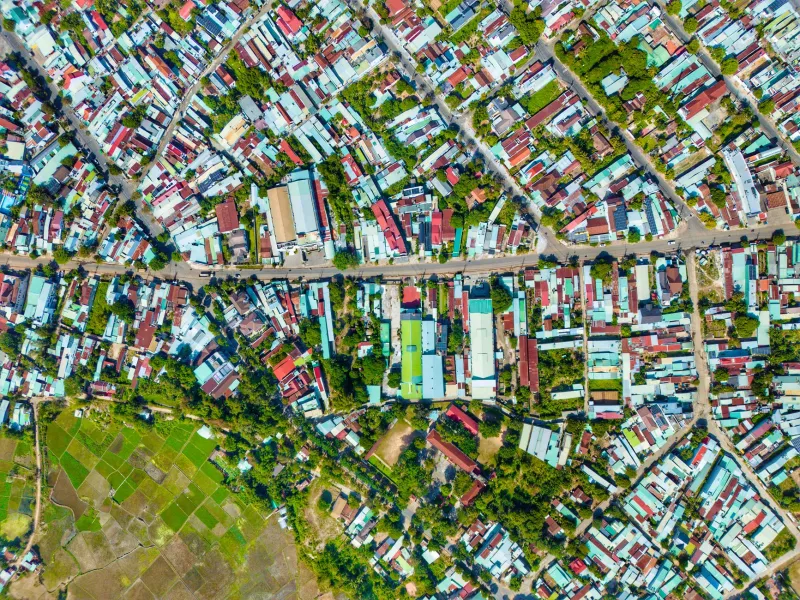
Omaha has a geography problem. Not a current one — the city's street grid is, by Midwestern standards, admirably navigable. The problem is historical. Specifically: the city has, on multiple occasions and for a variety of reasons ranging from bureaucratic tidiness to something that looks a lot more like motivated forgetting, renamed, renumbered, and in some cases effectively vaporized streets and neighborhoods that once appeared on official maps.
As someone who has spent an embarrassing number of hours squinting at microfilmed city directories in the Douglas County records room, I can tell you: the gaps are not subtle once you know to look for them.
First, the Boring Explanation (Which Is Still Interesting, Actually)
Let's be fair. Not every street renaming in Omaha's history is a cover-up. Cities rename streets. It happens. Sometimes it's about standardization — Omaha undertook several major street renumbering campaigns in the late nineteenth and early twentieth centuries specifically to create a more coherent addressing system as the city expanded. If you've ever noticed that Omaha's numbered streets don't always run in perfectly logical sequence, congratulations, you've already stumbled onto the residue of one of these campaigns.
The 1915 street reorganization alone wiped out dozens of named streets in older neighborhoods, folding them into the numbered grid. Streets that had carried names — family names, neighborhood names, names that told you something about who had lived there — became 14th Street or 22nd Avenue or some other anonymous coordinate on the expanding municipal map.
This is boring and also genuinely disorienting if you're trying to trace where your great-grandmother actually lived using her 1908 address.
The Less Boring Explanation: Who Gets Forgotten
Here's where it gets interesting. Because while grid standardization explains some of the erasures, it doesn't explain all of them. And some of the disappearances cluster in ways that are hard to chalk up to pure administrative convenience.
Consider the area north of downtown that longtime residents — particularly African American families who lived there through the first half of the twentieth century — referred to by names that appear in social organization records, church directories, and personal correspondence, but which never quite stabilized on official city maps. Streets in this area were renamed, renumbered, and in some cases literally removed from the map through urban renewal projects in the 1950s and 1960s. The communities that had given those streets their unofficial names were displaced. The names didn't make it to the new maps.
This is not unique to Omaha. It happened in cities across America. But in Omaha, the specificity of the erasure is notable. We're not talking about gradual drift — we're talking about deliberate administrative decisions that had the effect, whether intended or not, of making it harder to point to a map and say here, this is where we were.
The Directory Method: How to Find What Isn't There
If you want to go looking yourself — and I highly recommend it, it's a great way to spend a weekend if your definition of fun is broad — the most useful tool is the old city directory cross-reference method.
Omaha city directories, published annually by various companies from the 1870s onward, listed residents by name and by street address. By comparing directories from different decades and then cross-referencing those addresses against Sanborn fire insurance maps (which were drawn to show the physical layout of city blocks for insurance purposes), you can start to identify locations that appear in one era and simply vanish in another.
Some of what you'll find is explicable: buildings demolished, blocks absorbed into commercial development, addresses renumbered in one of the official campaigns. But some of what you'll find is genuinely puzzling. Addresses that appear in directories for years, associated with businesses or households that seem to have been reasonably established, and then simply stop appearing — not because the building was demolished, but because the street designation itself changed in a way that made the old address unlocatable.
One longtime Omaha researcher who asked not to be named described it as "the city eating its own footnotes."
The Renaming Patterns Worth Watching
A few patterns emerge from sustained archival poking:
First, streets associated with neighborhoods that experienced significant racial or ethnic demographic shifts in the mid-twentieth century were disproportionately likely to be renamed or renumbered during urban renewal periods. This isn't a conspiracy theory — it's documented in city planning records, which are remarkably candid about the goals of renewal projects.
Second, streets named after individuals — particularly individuals who later became politically inconvenient — have a higher rate of quiet renaming than streets with geographic or generic names. Omaha has had its share of figures who were prominent in one era and embarrassing in retrospect, and the street naming record reflects a certain amount of retroactive distancing.
Third, and most intriguingly: several streets that appear in pre-1930 directories in areas that were later developed as industrial or commercial corridors simply have no modern equivalent. They're not renamed. They're not renumbered. They just stop. The blocks they occupied are now parking lots or warehouse footprints, and there's no street-level evidence that anything else was ever there.
What Mystery Man Wants to Know
The question isn't really whether Omaha renamed streets. Of course it did. Every city does. The question is which streets, when, and who benefited from the forgetting.
That's a question the archival record can partially answer, if you're willing to do the work. And it's a question that matters, because streets aren't just navigation tools. They're how communities mark themselves on a map and say: we were here.
When the name goes, something else goes with it.
If you have old Omaha city directories, Sanborn maps, or family documents that reference street addresses in neighborhoods that no longer seem to exist, Mystery Man of Omaha would genuinely love to hear from you. We're building a database, one disappeared block at a time.