Phantom Proprietors: The Shadowy Figures Who Bankrolled Omaha's Illegal Gambling Rackets and Never Signed a Single Check

Let me paint you a picture. It's 1952. You walk into a perfectly ordinary Omaha tobacco shop on the north side of downtown. A guy behind the counter sells you a pack of Lucky Strikes and gives you correct change without making eye contact. In the back room — separated from the front by a curtain that's doing the hardest work of any curtain in Nebraska — men are placing bets on horse races happening four states away. Numbers runners come and go through the alley entrance. The cash flows like the Missouri in spring.
Now here's the question that's been keeping me up at night: Who owned that shop?
Not the guy behind the counter. Not even the guy who collected the cash. I mean the actual owner — the silent hand that held the whole operation together, collected the real profits, and somehow never once appeared in a police report, a property deed, or a newspaper column.
Welcome to the phantom economy of Omaha's gambling underworld, folks. Grab a seat. This one's complicated.
The Art of Not Existing on Paper
Omaha's mid-century gambling scene was no mom-and-pop operation. By most accounts cobbled together from newspaper archives, old vice squad reports, and the kind of oral histories that get shared in hushed tones at family reunions, the city's underground betting network was generating serious money throughout the 1940s and into the 1960s. Policy wheels, sports books, poker rooms tucked inside fraternal lodges — the infrastructure was elaborate, geographically distributed, and remarkably durable.
What made it durable? Invisibility at the top.
The operators who ran the day-to-day — your bookies, your floor managers, your envelope-passers — were often known quantities. They got pinched occasionally. Their names showed up in the World-Herald's police blotter. But the ownership layer above them? That was engineered specifically to be unknowable.
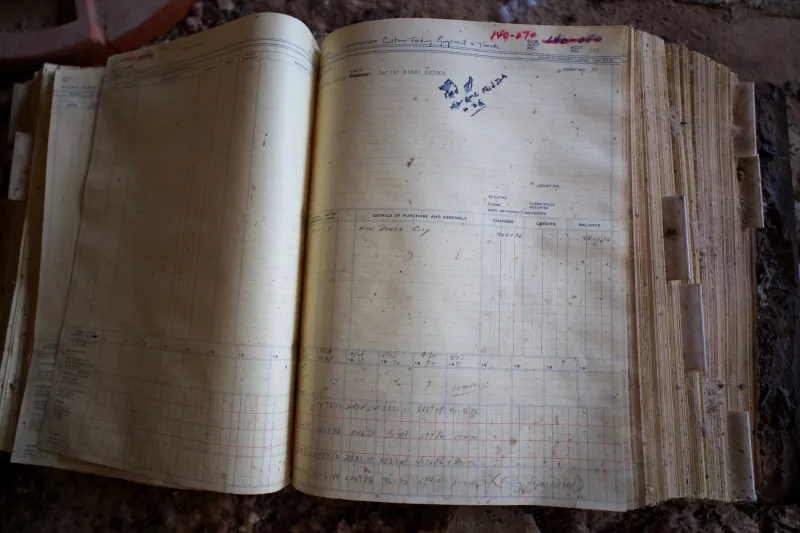
Property records from the era tell a revealing story, mostly because of what they don't say. Businesses operating out of storefronts connected to gambling activity were frequently registered to holding companies with names so blandly generic they practically disappear when you try to look at them directly. Names like "Midwest Amusements, Inc." or "Central Nebraska Vending Services" — entities that existed on paper, paid just enough taxes to avoid scrutiny, and listed officers whose connection to anything illicit was essentially impossible to prove.
This wasn't accidental. This was architecture.
Front Businesses That Were Doing the Lord's Work (For Someone Else)
The genius of Omaha's gambling ownership structure — and I use "genius" loosely, in the way you might describe a very clever cockroach — was its use of legitimately operating businesses as financial laundering vessels.
Certain taverns, vending machine distributors, and even a few dry-cleaning operations have appeared repeatedly in the oral histories of former insiders who've been willing to talk, usually decades after the fact and usually only after being assured that the statute of limitations had long since packed its bags and left town.
The pattern was consistent: a legitimate business would be established, or purchased, by a figure with traceable but clean credentials — a lawyer, a real estate investor, a well-connected local businessman. That person's name went on the license. The actual cash from gambling operations flowed into the business's accounts, got mixed with legitimate revenue, and emerged on the other side looking like the proceeds of a very successful dry-cleaning operation.
One former numbers runner, interviewed by a local historian in the late 1980s and whose account has circulated in research circles since, described the arrangement with admirable bluntness: "You didn't know who you worked for. You knew who handed you your cut. That's it. The guy above him? You didn't ask."
Connecting the Dots (With a Very Long String)
Here's where it gets genuinely interesting for those of us who enjoy spending weekends cross-referencing property tax records like normal people.
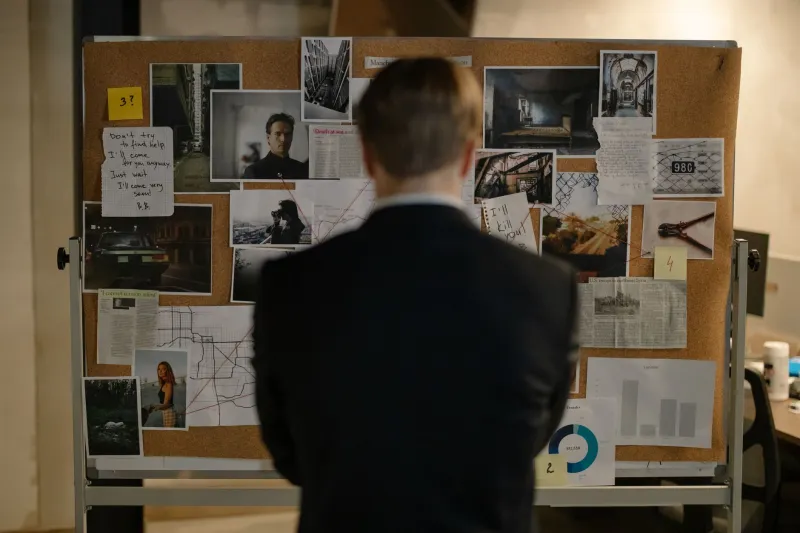
When you map the addresses of businesses repeatedly flagged in vice squad activity logs against the corporate registration records filed with the state of Nebraska during the same period, clusters emerge. The same registered agents — attorneys, mostly, doing what attorneys do when they're being paid not to ask questions — appear across multiple shell entities. The same post office boxes. The same suspiciously similar filing dates.
And when you trace those registered agents forward and backward through time, certain names appear in their professional networks that carry significant weight in Omaha's legitimate business and political communities.
I'm going to stop just short of naming names here, not because I lack nerve, but because connecting circumstantial documentary evidence to specific individuals requires a higher evidentiary bar than "this is extremely suspicious and I have a very detailed spreadsheet." What I will say is this: the people who benefited most from Omaha's gambling economy were not, by and large, the people who got arrested for it.
The Law Enforcement Puzzle Piece
No honest accounting of how this ownership structure survived as long as it did can avoid the uncomfortable question of law enforcement.
Omaha's police department during the mid-20th century was not, to put it diplomatically, a monolith of incorruptible virtue. Vice squad operations against gambling establishments followed patterns that investigators and journalists of the era found curious — raids that seemed to target the operational layer while leaving the ownership structure untouched, prosecutions that stopped precisely at the point where financial trails might have led somewhere embarrassing.
Whether this reflected active corruption, institutional indifference, or simply the genuine difficulty of prosecuting conspiracy charges without witnesses willing to climb the ladder is genuinely hard to say at this remove. Probably some combination of all three, seasoned with the particular political dynamics of a mid-sized Midwestern city where a lot of important people knew each other from the same clubs and the same churches.
What the Archives Actually Tell Us
Digging through the World-Herald's morgue files — the physical archive of clippings that newspapers used to maintain before everything went digital — turns up a fascinating pattern of coverage. Gambling stories were reported with genuine energy in certain periods and then went conspicuously quiet in others. Investigative threads that appeared to be building toward something significant occasionally just... stopped. Reporters moved to other beats. Stories got buried in the back pages.
Whether editorial decisions reflected advertiser pressure, political relationships, or simply the ordinary chaos of daily journalism is another question without a clean answer. But the gaps in the record are themselves a kind of data.
The Mystery That Stays Open
Here's the honest conclusion of my time down this particular rabbit hole: the true ownership architecture of Omaha's mid-century gambling empire has never been fully reconstructed. The shell companies dissolved. The registered agents died or retired. The oral histories are fragmentary and sometimes contradictory. The documentary record has gaps that feel, occasionally, less like accidents and more like decisions.
What we're left with is the outline of a system — sophisticated, durable, and deliberately obscure — that funneled serious money to people who were careful never to be caught holding it.
Somebody built that system. Somebody maintained it. Somebody got very rich from it and lived out their days as a respected member of the Omaha business community.
I just can't prove who, yet.
But I've got a spreadsheet. And a lot of free weekends.
Have a tip, a family story, or access to records we haven't seen? The Mystery Man of Omaha is always listening. You know where to find us.