Ring Once for Danger: The Secret Signals Omaha's Telephone Operators Used to Protect Each Other
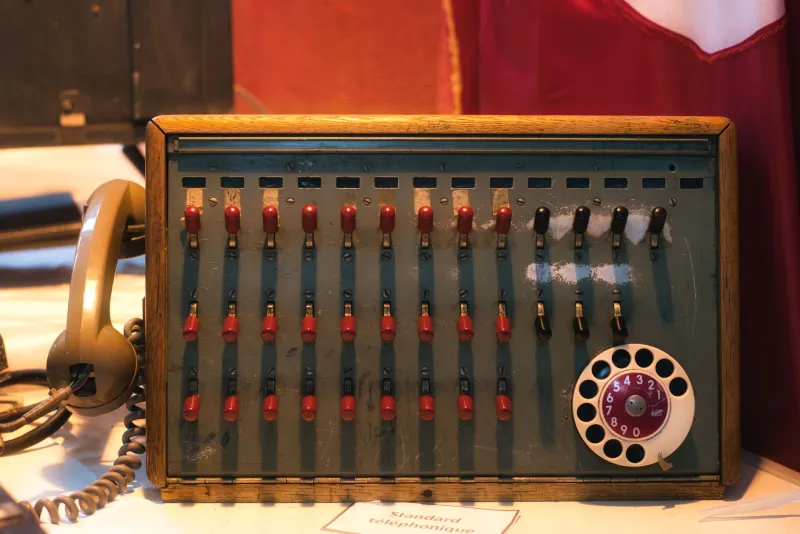
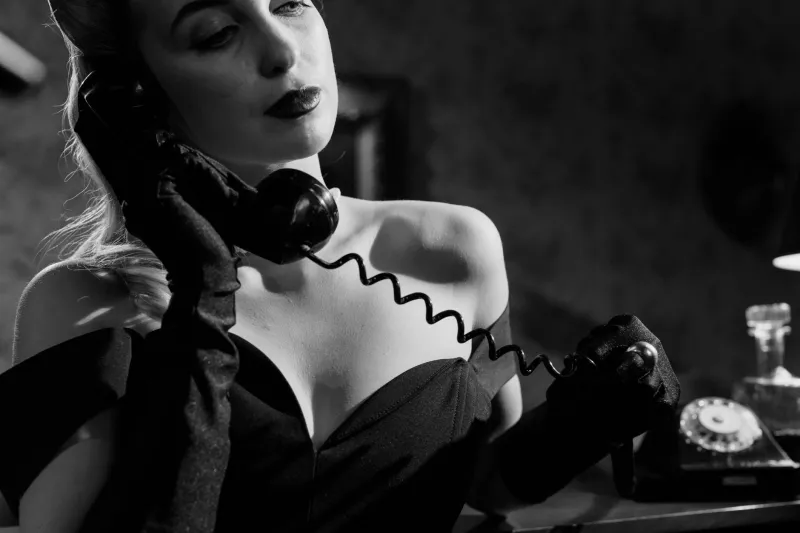
Here's a thing they don't teach you in Nebraska history class: for a good chunk of the early and mid-twentieth century, the most powerful intelligence network in Omaha wasn't run by the police department, the city council, or any of the shadowy fraternal lodges we've covered on this site before. It was run by a rotating cast of women in headsets, seated elbow-to-elbow at a switchboard, routing calls for a city that had no idea it was being quietly monitored.
We're talking about the telephone operators. And they had a code.
The Job Nobody Took Lightly
Being a switchboard operator in Omaha from roughly the 1910s through the 1960s was not glamorous work. The pay was modest, the hours were brutal, and management — almost universally male — treated the position like a glorified receptionist gig. Operators were expected to be invisible conduits: pleasant, efficient, and utterly forgettable.
What management apparently failed to account for was that these women were also, by the very nature of the job, listening to everything.
Not in a scandalous, ear-pressed-to-the-receiver way — though that certainly happened too, if the diaries are any indication. No, the more significant listening was structural. Operators knew who called whom. They knew which numbers got disconnected mid-conversation. They knew which husbands called the exchange asking to be connected to numbers their wives didn't know existed. They knew which voices trembled, and which ones made other voices tremble.
And over time, they started talking to each other about it. Carefully.
The Code Itself: What We Know
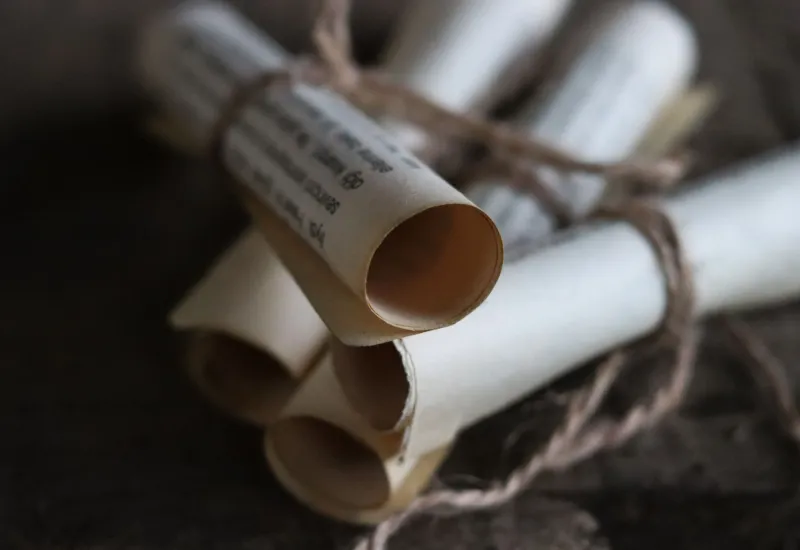
The existence of a formalized signaling system among Omaha operators isn't something you'll find in any official telephone company archive — those records, to the extent they survived at all, were kept by management, not workers. What we have instead is a patchwork of sources: three partial diaries donated to a Douglas County historical preservation project in the 1990s, a recorded oral history interview from 1978 featuring a retired operator named Geraldine (last name withheld at her family's request), and a handful of handwritten notes discovered tucked inside a copy of a 1942 Omaha city directory that ended up in an estate sale.
Taken together, they sketch out something genuinely remarkable.
The core of the system was deceptively simple. Certain phrases, delivered in the standard operator monotone, carried double meanings. "One moment, please" — unremarkable on its own — when followed by a particular hold duration and then repeated, was apparently a signal that the caller on the line had previously made threatening or harassing calls. A transferred call that was "accidentally" dropped and then reconnected by a different operator at the board was sometimes a deliberate handoff, a way of signaling pay attention to this one without ever saying so out loud.
Geraldine's 1978 interview is the most explicit source we have. "We didn't write it down anywhere official," she said. "You just learned it. The older girls showed you. It was like learning where the bathroom was — just part of starting the job."
Who Were They Protecting Themselves From?
The short answer: a lot of people.
The diaries make reference to repeat callers who would use the exchange as a harassment vehicle — ringing up operators directly, making threats or worse when the connection was live. But the network also served a broader community function. Operators who knew a particular exchange number belonged to a man with a reputation for violence could quietly note it when his wife called in, ensuring the call was handled with extra care — or, in some cases, that a discreet connection was made to someone who could help.
This was, to be absolutely clear, completely unauthorized. The telephone company's official position was that operators were not to editorialize, intervene, or retain any information about call content. The women doing this were taking genuine professional and, in some cases, personal risks.
One diary entry, dated sometime in the late 1940s based on contextual references, reads: "Mabel flagged the Hessler exchange again. We all know now. When his wife calls, we hold an extra beat before connecting — just enough that she knows someone heard her."
Read that twice. Someone heard her. On a telephone network where the whole premise was invisibility, these women were using their invisibility as cover to be seen.
The Collapse of the Network
The system didn't survive the transition to direct-dial telephony. As automatic switching equipment rolled out across Omaha through the 1950s and into the 1960s, the human operator became increasingly optional — and then, for most calls, obsolete. The women who carried the code retired or moved on. The knowledge wasn't written down in any form designed to last.
What's striking, in retrospect, is how thoroughly it disappeared. There's no oral tradition of it in the way that, say, union organizing stories survived. No commemorative plaque. No footnote in the official telephone company histories, which is not exactly surprising but is still a little infuriating.
Geraldine, when asked why she'd never spoken about it publicly before the 1978 interview, paused for a long moment. "Who would have believed us?" she finally said. "And who would have cared?"
Mystery Man's Take
We care, Geraldine. We absolutely care.
What the Omaha switchboard operators built wasn't just a workplace coping mechanism. It was, in the most literal sense, a parallel intelligence network — one that operated in real time, across the city, with no budget and no official sanction, sustained entirely by trust and the quiet professionalism of women who were supposed to be invisible.
If that doesn't belong in the True Crime files, I don't know what does.
If you have a family connection to Omaha's telephone operators — a diary, a letter, a story passed down at the kitchen table — Mystery Man of Omaha wants to hear from you. Some codes deserve to be fully deciphered.